

Within the domain of emergency medical services, every second counts, and the capacity for rapid response can be the deciding point between life and death. Air Ambulance Services have emerged as a crucial component of contemporary emergency response systems, providing rapid medical assistance to patients in dire situations. Whether flying over broad terrains or navigating urban challenges, air medical teams are ready to reach patients quickly, ensuring that they receive the care necessary to improve their chances of survival.
These dedicated services fuse the advancements in aircraft technology with the knowledge of healthcare professionals, creating a lifeline that seamlessly connects between ground-based medical facilities and patients in isolated locations. With advanced equipment and skilled personnel onboard, air medic services offer a distinct solution to crises in healthcare, proving indispensable in numerous scenarios, from environmental emergencies to time-sensitive medical emergencies. As we explore this fundamental service, we will learn about how air medic teams operate, the obstacles they encounter, and the remarkable impact they have on the lives of numerous individuals in emergency.
Introduction of Air Medic Services
Aerial Medical Services are tailored EMS that utilize air vehicles to carry severely injured patients quickly and effectively. These services are essential in scenarios where road transport may be obstructed by travel time, traffic, or rugged terrains. By merging advanced medical care with quick air transportation, Air Medic Services are able to significantly enhance the well-being of patients in emergency situations.
Fitted with advanced medical equipment and manned by expert medical professionals, Air Medic Services provide complete care during transport. Medical teams typically comprise paramedics, nurses, and sometimes physicians who are trained in critical care. This guarantees that patients receive continuous medical attention, which is crucial for supporting their condition during transit.
The operating procedure of Air Medic Services often involves collaboration with local hospitals, emergency responders, and other medical facilities. This collaborative approach promotes a efficient transfer of patients from one location to another, maximizing the use of resources and reducing delays in treatment. As healthcare continues to progress, Aerial Medical Services play a pivotal role in addressing time-sensitive medical emergencies and ensuring that patients receive the highest quality care without excessive delays.
Critical Role in Emergency Response
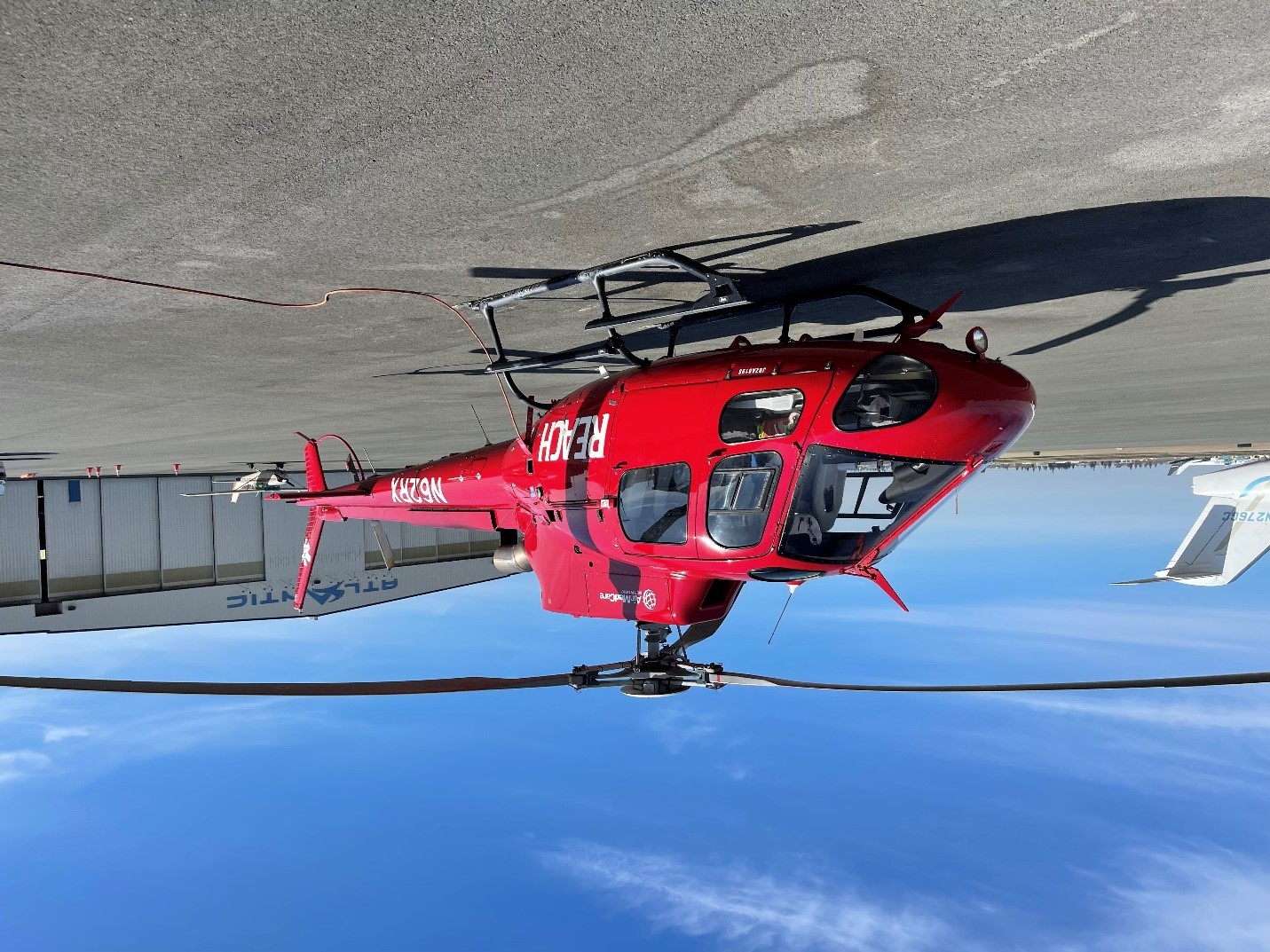
Helicopter ambulance services play a critical role in the crisis response network by providing rapid medical transport to individuals in life-threatening scenarios. When every second counts, road-based transport may not be fast enough to reach people in difficult to access locations. Aerial medical teams bridge this void by deploying choppers and fixed-wing aircraft, ensuring swift access to necessary medical care. Their capacity to avoid congested roads and reach patients directly can mean the difference between life and death.
Equipped with advanced medical technology and staffed by trained medical professionals, air medic teams are capable of managing a wide range of urgent situations. These teams offer a enhanced medical service than standard ground ambulances, including superior life-saving measures and immediate medical interventions during transport. Whether it is a victim of trauma or someone experiencing a major health emergency, air medics provide critical care en route to hospitals, allowing for preliminary care before the victim arrives.
The incorporation of air medic services within emergency response frameworks enhances the resilience of communities. Local hospitals and first responders work in tandem with air medical teams to optimize patient outcomes. In many localities, these services are essential components of disaster response strategies, capable of delivering support not only in individual emergencies but also during major incidents that require synchronized healthcare.
Future of Air Medic Technologies
The future of aerial medical services is set for significant transformations driven by improvements in tech. With the incorporation of artificial intelligence and machine learning, aerial ambulances will improve their operational effectiveness, maximizing route planning and resource allocation. This will lead to quicker response times, ultimately enhancing patient outcomes during critical medical emergencies.
Drone technology is also set to revolutionize air medic services. Unmanned aerial vehicles will be capable of transporting essential healthcare provisions like blood, medications, and tools to isolated or inaccessible areas. This innovation will substantially increase the scope of air medic services, making sure that timely help is available even in the toughest locations.
In addition, the advancement of advanced communication technologies will enable better coordination between air teams and land-based medical facilities. Immediate data sharing regarding the status of patients and treatment protocols will enable healthcare professionals to prepare more effectively for incoming patients. As these innovations evolve, aerial medical services will transform into an even more vital component of global emergency healthcare.